







Positive behaviour support in early years classrooms

Positive behaviour support in early years classrooms weaves together relationships, emotional regulation, classroom climate and nurturing approaches to create learning spaces where young children thrive. I will guide you through the core ideas and practical strategies that make this approach effective. You will find clear explanations, concrete examples and ready-to-use tactics to strengthen daily practice—whether you teach, lead a setting or support families.
Foundations of Positive Behaviour Support in Early Years
Core principles that shape practice
Positive behaviour support (PBS) rests on prevention, teaching and reinforcement rather than punishment. I focus on predictability, clear expectations and consistent routines. For example, a visual schedule reduces anxiety and prevents many transitions-related incidents. PBS also emphasizes data-informed responses: observe patterns, ask what triggers behaviour and adjust the environment before escalating responses.
Why PBS benefits children and educators
When you prioritize PBS, children develop self-regulation and social competence. Teachers experience fewer disruptions and more meaningful interactions. Consider a classroom where staff replace reprimands with brief coaching: the child learns a replacement skill and the teacher conserves energy for instruction. That shifts the climate from reactive to constructive.
Building Strong Relationships as the Bedrock
Attachment, trust and emotional safety
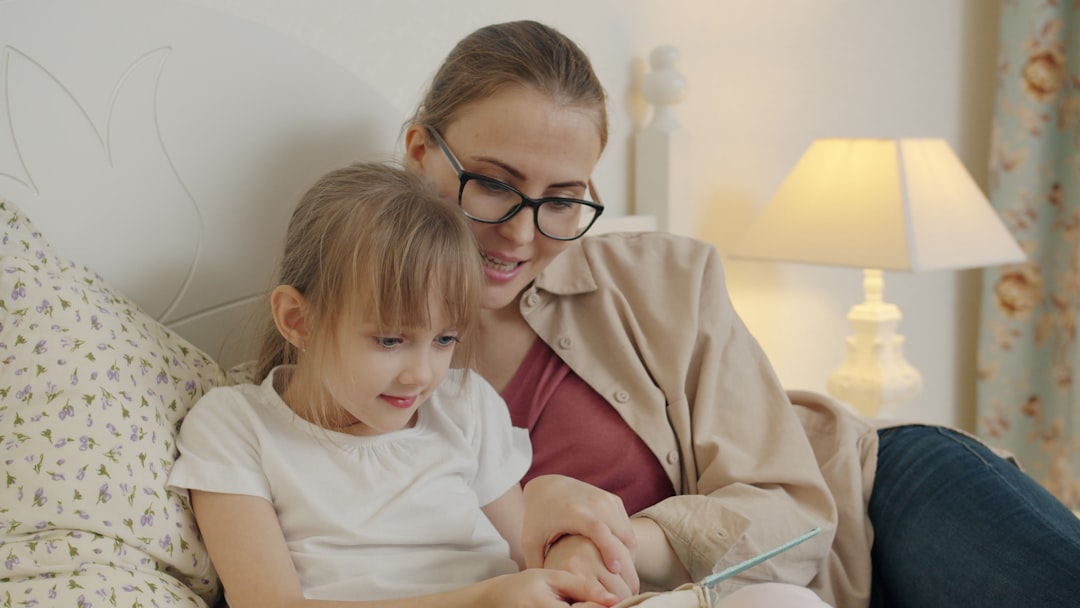
Young children need predictable adults who mirror calmness. I encourage you to build attachment through consistent, responsive interactions: greet each child warmly, follow their lead in play, and offer comfort quickly. These small acts form emotional safety, the platform from which regulation and learning emerge.
Practical strategies to strengthen bonds
Use focused techniques: one-on-one check-ins, descriptive praise, and short shared rituals (a hello song, a goodbye handshake). For a child who withdraws, schedule a five-minute daily play slot. For a more active child, offer a helper role to channel energy positively. These strategies make relationships explicit and functional.
Teaching Emotional Regulation Skills
Classroom practices that scaffold self-regulation
I recommend embedding regulation teaching into routines. Label emotions aloud (“You look frustrated”) and model calming strategies: deep breaths, counting, or using a sensory corner. Teach simple scripts children can use: “I need help” or “I need a break.” Over time, verbalizing feelings becomes a self-soothing habit.
Activity examples and routines that work
Create a calm-down area stocked with weighted cushions, visual cue cards and a feelings chart. Use role-play to rehearse turn-taking and problem-solving. Start circle-time with two minutes of breathing and a mood-check. These predictable, repeated practices build neural pathways for regulation and reduce reactive behaviour.
Cultivating a Positive Classroom Climate
Designing an environment that supports wellbeing
Classroom arrangement affects behaviour. I suggest low-stimulation zones, accessible materials and clear learning centers. Labeled bins, soft lighting and visual rules reduce cognitive load. For instance, a cozy reading nook signals retreat and reflection, while an active play corner invites movement—both necessary for balanced regulation.
Nurturing approaches to guidance and redirection
When challenging behaviour appears, I favor short, respectful redirection and restorative conversations. Use statements that describe actions and offer choices: “You threw the block. Blocks stay on the floor or in the bin. Which will you choose?” This preserves dignity and teaches responsibility. For repeated incidents, involve the child and family in problem-solving rather than issuing consequences only.
- Emphasize prevention: routines, visual supports, and predictable transitions
- Teach skills explicitly: emotion vocabulary, calming techniques, social scripts
- Build relationships: brief daily rituals, descriptive praise, responsive adult presence
- Shape the environment: low-stimulus zones, clear labeling, sensory supports
- Use restorative prompts: choices, repair conversations, collaborative plans
Key Takeaways for Implementing Positive Behaviour Support
I invite you to view PBS as a daily philosophy rather than a set of isolated tactics. A thoughtful blend of warm relationships, taught regulation skills, a calm classroom climate and nurturing guidance creates durable change. Start small: add one predictable routine, one emotion-teaching moment and one modified environment element. Track how children respond. Over weeks, you will notice fewer escalations, deeper engagement and a more joyful learning atmosphere.
To compare these principles with real-world practice in an infant setting, review sunhillinfants.co.uk for grounded examples of classroom routines, nurture-focused policies and everyday pastoral strategies.